



Honda VTEC Explained: The Smart Engine Tech Powering Florence, AL Drivers
SUMMARY
- Honda VTEC is engine technology that gives you great fuel economy at low speeds and a strong burst of power the moment you press the gas harder.
- First launched in the 1989 Honda Integra, Honda VTEC switches between two cam setups using oil pressure. That lets one engine act like two.
- You get Honda VTEC in models like the Civic, Accord, and CR-V. Visit Singing River Honda near Florence, AL to feel it yourself.
Also Read: Honda Civic vs Honda Accord: Choosing the Best Sedan for Your Needs
If you have shopped for a Honda around Florence, you have probably heard the word VTEC tossed around. It shows up in reviews, on window stickers, and in plenty of conversations at our showroom. At Singing River Honda, we get a lot of questions about what Honda VTEC actually does and why it matters to you behind the wheel. The short answer is that it helps your Honda save fuel on your daily commute and hands you extra power the exact moment you want it. Let us walk you through how it works in plain, simple terms.
What Is Honda VTEC?
Honda VTEC is short for Variable Valve Timing and Lift Electronic Control. That is a big name for a clever idea. Your engine has valves that open and close to let air in and push exhaust out. How far those valves open, and how long they stay open, changes how your engine behaves. Honda VTEC adjusts that timing and lift automatically as you drive. At lower speeds, it runs a setup built for smooth, quiet, fuel-saving operation. When you push the gas and the RPMs climb, it flips to a setup made for power. One engine, two personalities, all handled for you without a single button to press.
How Honda VTEC Works in Simple Terms
Picture your engine as something that breathes. At low speeds, it takes small, calm breaths to sip fuel and stay quiet during city driving. When you accelerate hard or merge onto the highway, Honda VTEC tells the engine to take big, deep breaths so it can make more power.
Here is the magic behind it. Inside the engine sit different cam profiles, which are shaped lobes that control the valves. VTEC uses an oil pressure system and a locking mechanism inside the rocker arms to move between them. As your RPMs climb, hydraulic pressure kicks in and locks a more aggressive cam lobe into place. That lobe opens the valves wider and holds them open longer, so more air rushes in and combustion improves.
The change happens fast and feels seamless. You get gentle, efficient acceleration in stop-and-go traffic and a confident surge of power when you pass a slower car on the highway. Because the system reacts to your speed and how hard you press the pedal, you feel two very different engines living inside one motor.
The Story Behind Honda VTEC
Honda VTEC has real history, and it started with a bold goal. Honda kicked off its New Concept Engine program back in March 1984, aiming for strong torque at both low and high RPMs along with big jumps in horsepower per liter. The team wanted an engine that could sip fuel and still run hard.
An engineer named Ikuo Kajitani led much of the work. His group faced a tough puzzle. Small, high-revving four-valve engines made great top-end power and often struggled at low speeds. To crack it, the team studied switchable valve timing and added new cam followers and rocker arms built for high-speed operation.
Honda R&D president Nobuhiko Kawamoto raised the bar with one simple question, suggesting the team aim for 100 horsepower per liter. Many people believed a naturally aspirated engine could never hit that mark. Kajitani and his crew of more than 100 engineers took the challenge head-on. They pulled a full 160 horsepower at 7,600 rpm from a 1.6-liter engine, with a redline of 8,000 rpm.
Honda VTEC launched in the 1989 Honda Integra and its famous B16A engine. It became the world’s first valve system able to change valve timing and lift on both the intake and exhaust sides at the same time. That was a genuine breakthrough for the whole industry.
The Different Types of Honda VTEC
Since 1989, Honda VTEC has grown into a whole family of designs. The early work laid the ground for the DOHC (dual overhead camshaft) VTEC system, which used dual camshaft timing for precise power control. Honda then created a SOHC (single overhead camshaft) VTEC for smaller, more budget-friendly cars.
Later came i-VTEC, short for intelligent VTEC, which added smart electronics and variable timing to sharpen performance even more. Along the way, Honda also rolled out VTEC-E in 1991 and a three-stage VTEC in 1995 for tighter efficiency and output control. Each new version proved the same point again and again. Honda kept refining the idea so that everyday practicality and real performance could live under one hood, and drivers around Florence get to enjoy the payoff today.
Why Honda VTEC Matters for Your Everyday Drive
You might wonder how all this engineering helps you on Court Street or out on the Natchez Trace. The answer comes down to balance. During normal city and highway travel, Honda VTEC keeps your fuel use low, which is a nice win for your wallet across a long week of commuting. When you press the accelerator harder, the system answers with quick throttle response and extra energy.
That means your Honda feels steady, predictable, and easy to handle in almost any situation. Running errands, hauling the family, and taking a longer drive across North Alabama all feel comfortable and controlled. Honda also builds these engines with long-term durability in mind, so owning a Honda VTEC engine means dependable performance for years. You get real driving fun you can feel every time you turn the key.
Which Honda Models Have VTEC?
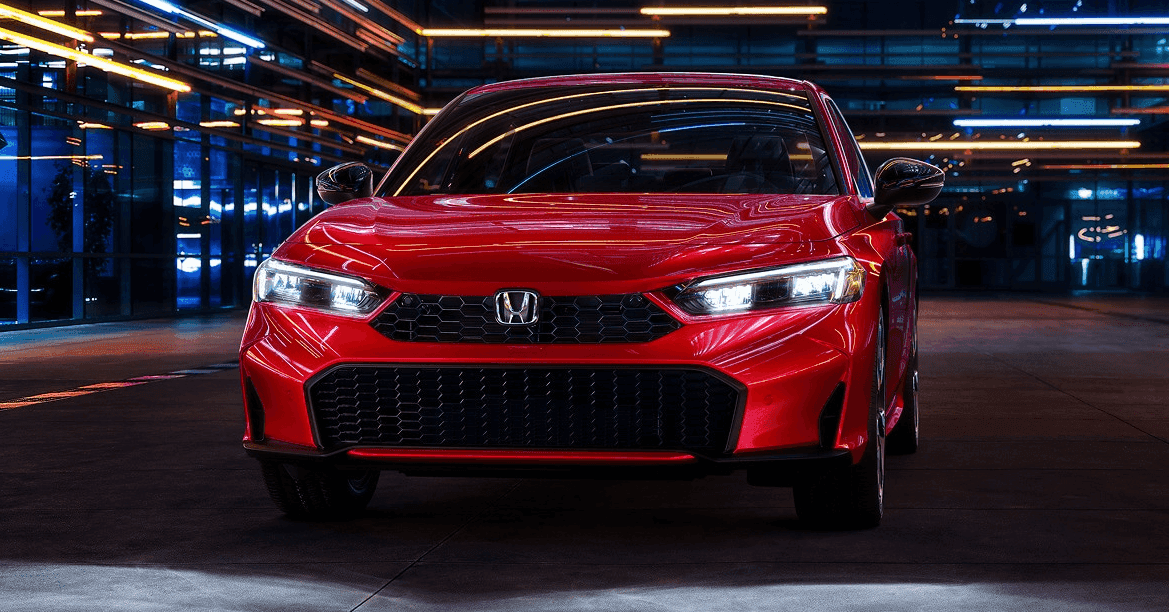
You will find Honda VTEC working quietly in many of the models we carry. The Honda Civic uses it to make its available turbocharged engines feel lively and responsive, which keeps this compact commuter fun to drive. The Honda Accord leans on VTEC for smooth, refined power and strong fuel economy in a roomy sedan.
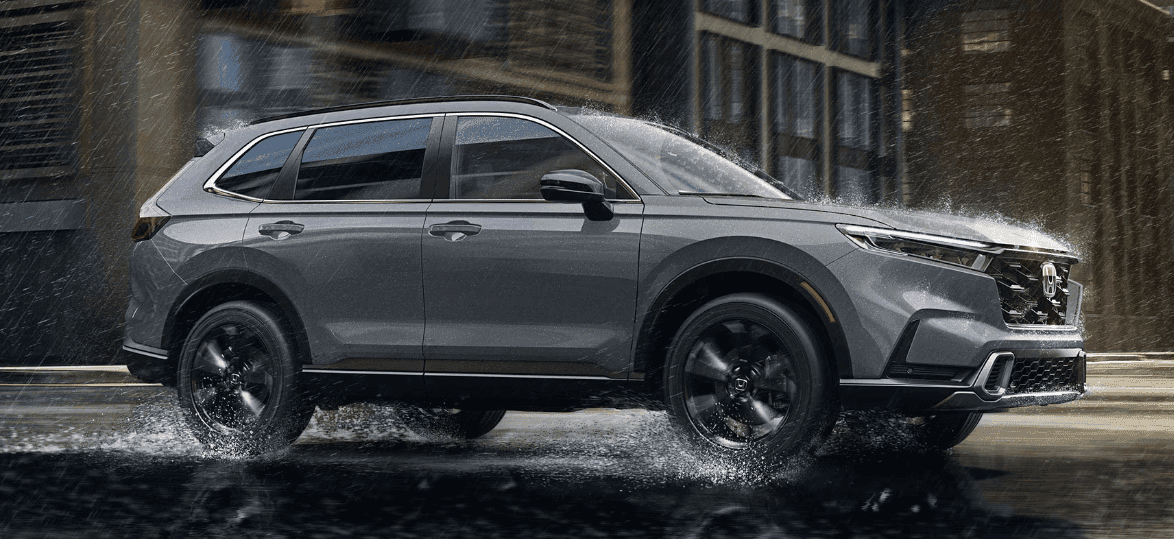
Love SUVs? The Honda CR-V uses VTEC for confident acceleration while holding on to good efficiency. Even the compact Honda HR-V taps it to get the most from its smaller engine, which makes it a smart pick for city streets. If you crave serious muscle, the Honda Civic Type R packs a 2.0-liter turbocharged VTEC engine with over 300 horsepower for a real adrenaline kick. You can see many of these VTEC-powered rides in our new Honda lineup any day of the week.
Where Can You Buy a Honda VTEC Vehicle in Florence, AL?
You can buy a Honda VTEC vehicle right at Singing River Honda, proudly serving drivers in and around Florence, AL. Our lot carries a full range of new Honda models built with VTEC technology, from the fuel-friendly Civic to the family-ready CR-V and everything in between. Our team loves talking cars, and we are glad to walk you through the engines, trims, and features that match the way you drive.
Want to stretch your budget a little further? Browse our quality used Hondas to find a VTEC-powered ride with plenty of life left in it. You can also shop our certified pre-owned Hondas, which pass a detailed inspection and come backed with added peace of mind.
The best way to understand Honda VTEC is to feel it yourself. Come take a test drive with us and pay attention to that smooth, easy pull at low speeds followed by the rush of energy when you open it up. Stop by Singing River Honda, meet our friendly crew, and let us help you find the Honda that makes every drive around the Shoals more fun.
Read Next: 2026 Honda Passport TrailSport Elite: The Ultimate Adventure SUV in Alabama
0 comment(s) so far on Honda VTEC Explained: The Smart Engine Tech Powering Florence, AL Drivers